

Commentary
The community already suffers social discrimination, so addressing inequalities requires sustained interventions.
Musaed Aklan , Mohammad Al-Saidi
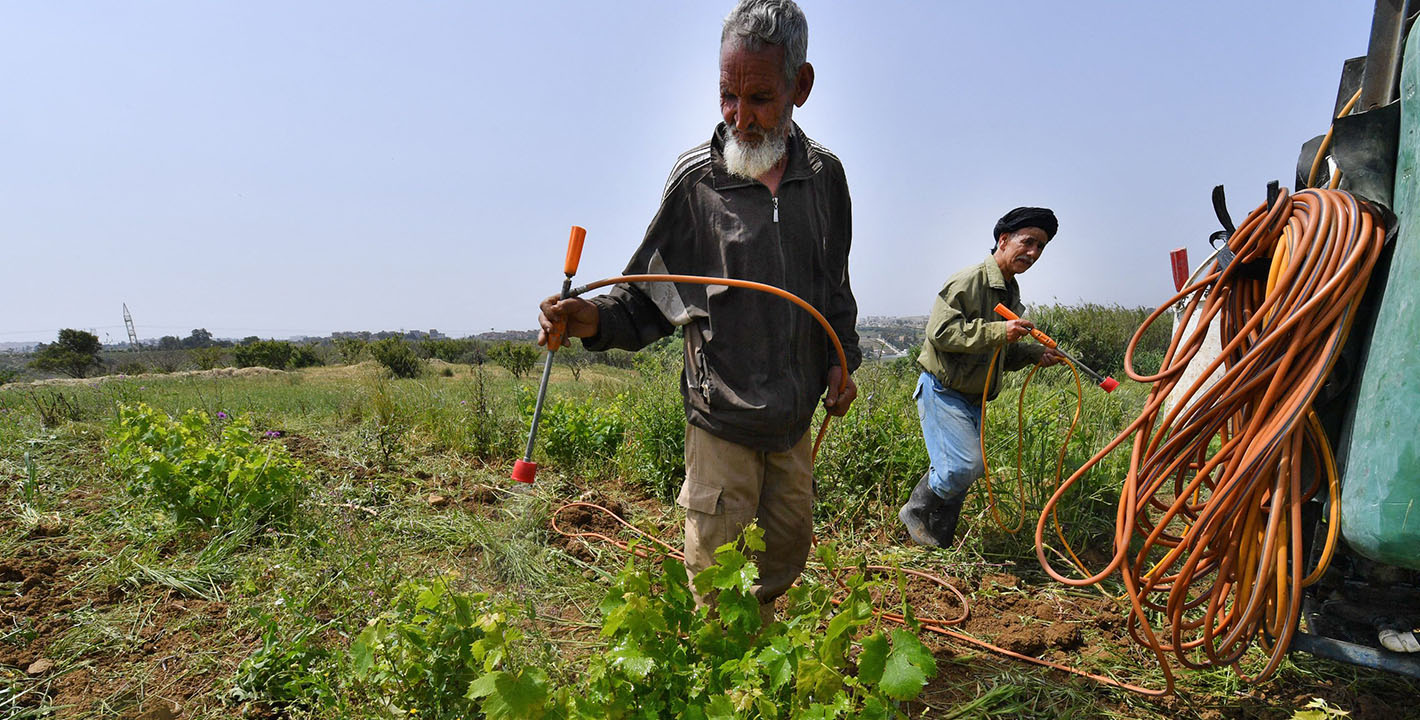
Source: Getty
Understanding how farmers in the Oued Sahel-Soummam Valley grapple with climate change is essential for addressing the paradoxes through which adaptation, operating at both individual and institutional levels, deepens the region’s vulnerability and erodes the social fabric and agrarian identity that once defined life.
In Algeria, where the agricultural sector employs a significant share of the workforce, climate pressures are increasingly causing wildfires, disrupting irrigation, and making it difficult for farmers to sustain their livelihoods. The country’s agricultural plan, announced in 2026, aims to double yields and expand export capacity through mechanization. Yet this does little to address the structural fragility of smallholder farming in Kabylie, a largely mountainous region in the north of the country. The human dimension of the climate crisis is as significant as the environmental one. Rural agrarian life in Kabylie is increasingly losing its traditional meaning—having become, for many, a set of ancestral practices detached from everyday reality.
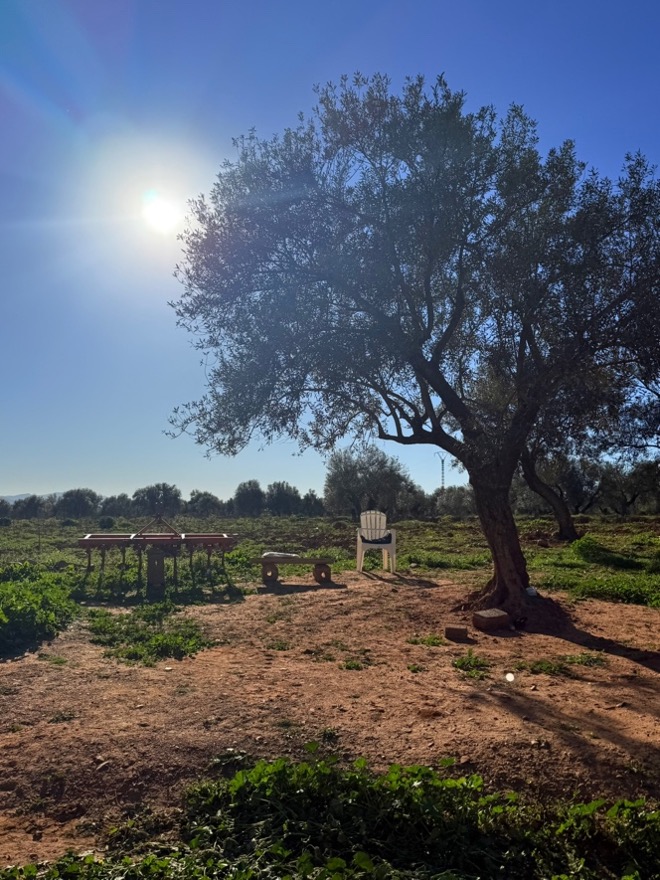
Crops near the Assemadh river, February 2026
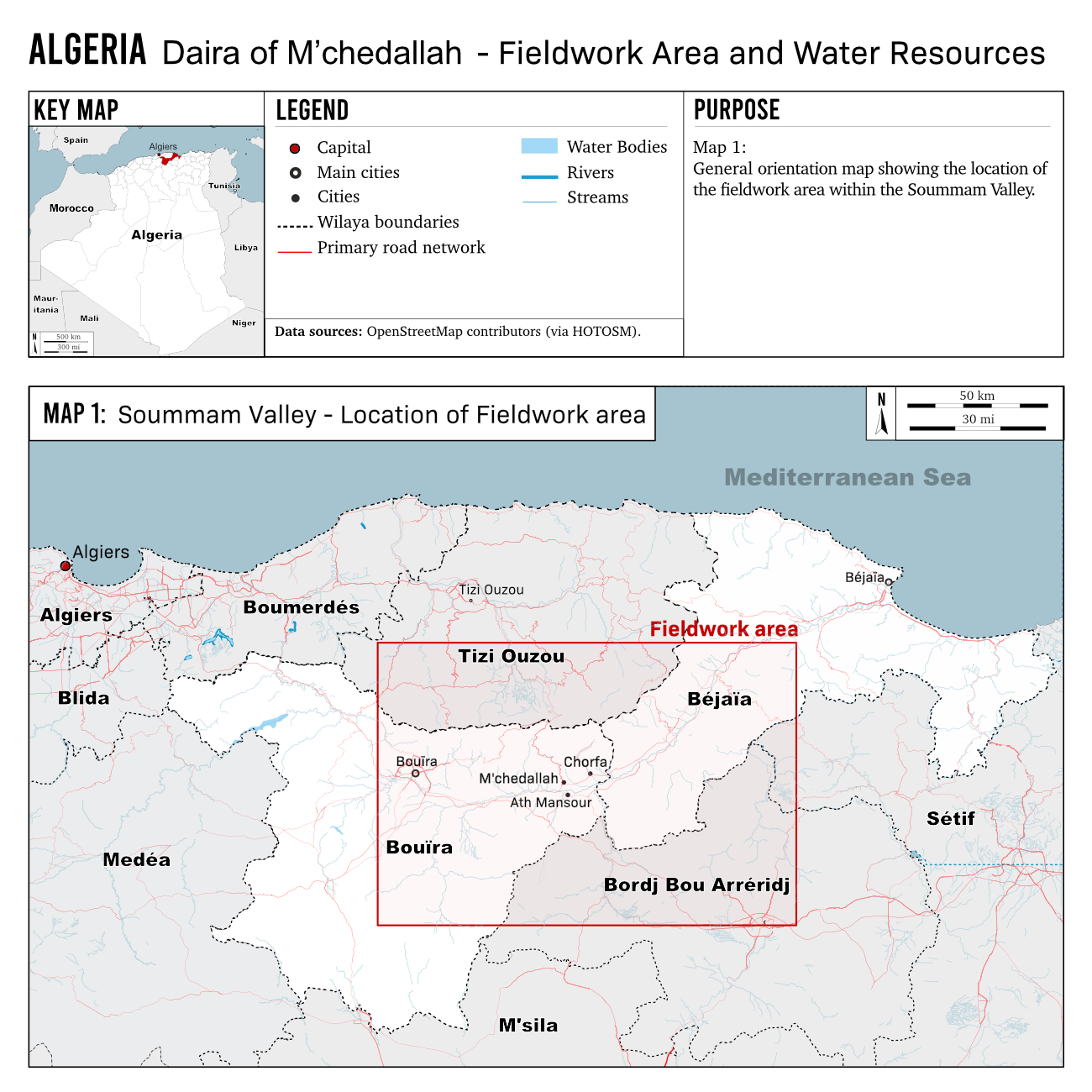
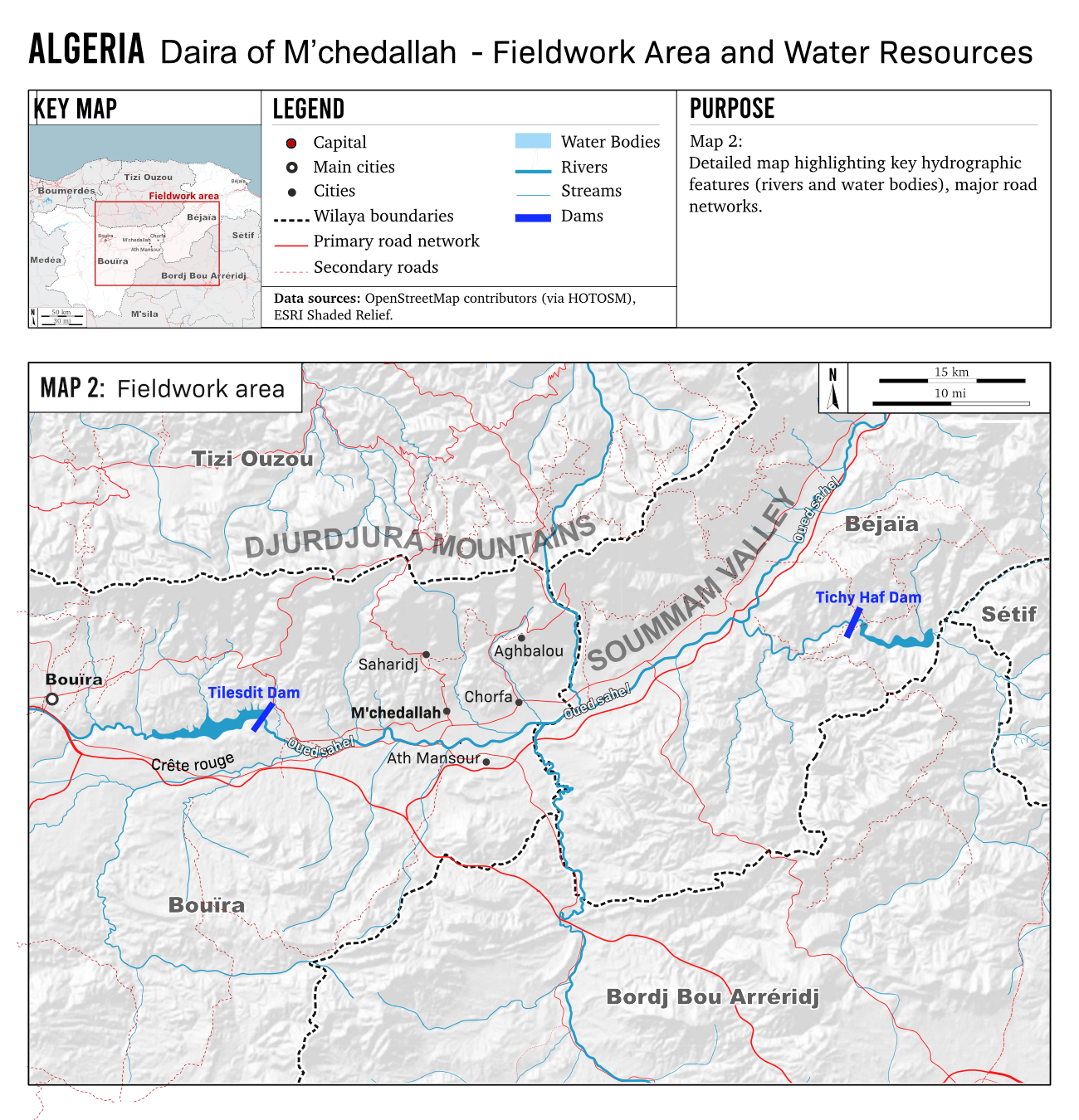
In Algeria, 24 percent of the national workforce and 74 percent of the rural workforce is employed in agriculture, with the region of Kabylie, which includes seven provinces, characterized by high rural population densities and an agrarian society. Kabylie is home to the fertile Oued Sahel-Soummam Valley, which runs along the Oued Sahel river from the semi-arid highlands of Bouira province and down through the narrow alluvial plain of the lower Soummam toward the Mediterranean coast in Béjaïa province.1 The agricultural landscape of the valley in question has long been organized around small landowners cultivating olives and other tree crops (pears, cherries, figs) on fragmented plots.
Two broad categories of farmers coexist in this landscape, each with a distinct relationship to land, capital, and risk. The first is a declining population of self-sufficient peasant farmers, mostly operating in mountain areas. This group encompasses families and communities who have farmed their own land at subsistence level for generations. Self-sufficient peasant farmers are a population in long-term demographic decline whose lives are increasingly shaped by scarce and unreliable access to water, fragile ecosystems, and exposure to climate shocks.
The second category is a growing class of business-oriented agricultural entrepreneurs whose activities are concentrated in the valley floor but expanding to the plains of the lower Soummam and beyond (including the high plateaus outside Kabylie, particularly in the M’sila region). This group has greater access to capital, irrigation infrastructure, and market networks. Increasingly, it includes not only local farmers but also investors from regions outside Kabylie, who are putting money into the harvesting of land that locals focused on upward social mobility are quietly stepping away from.2 Indeed, young Kabyle people, several of whom were interviewed for this article, are mostly oriented toward non-agricultural careers. They are a generation caught between two impulses: wanting to see Kabylie change and modernize, yet deeply unsettled by what that change is doing to their parents and their landscape. For many, this tension results in migration to other parts of Algeria or even emigration.
Climate pressures may not fall evenly across the two categories of farmers, yet they are accelerating the abandonment of traditional farming and narrowing the conditions under which both groups can sustain their livelihoods. Increasing water scarcity and soil erosion are reshaping the basic conditions of agricultural life and having a direct impact on olive cultivation, arboriculture, and cereal growing. Wildfires—which are most commonly caused by stubble burning, slash-and-burn practices, preventive burning, arson, wild honey harvesting, and the burning of illegal dumps, as well as flare-ups caused in part by the inability of firefighters to reach remote and rugged terrain in time—have become a recurring seasonal threat since 2007.
Beyond environmental stress, the pressures on this landscape are structural and long predate recent climate disruptions. In the lower Soummam Valley, between 1987 and 2019, forest cover decreased by 63 percent, agricultural land expanded by 30 percent, and built-up areas grew by 58 percent.3 Traditional agricultural practices such as plowing with oxen are at risk of disappearing, kept alive only by a minority of farmers for whom they represent not merely a profitable activity but a heritage at risk of being lost entirely. This decline is driven not only by economic or generational uninterest but by the rising cost of oxen and pasture,4 which has also contributed to a broader shift in livestock from beef to poultry. As rainfall becomes more scarce and less predictable, rain-fed olive cultivation, long the backbone of many locals’ livelihoods, is also increasingly unviable.
Local communities broadly recognize that the climate around them is changing. Yet the options available to them are constrained by the institutional and economic conditions in which they find themselves. The idea of a future without mountain agriculture in Kabylie, one in which farming survives as a pastime rather than a livelihood, is spreading. Ultimately, this reflects a growing unease about the long-term viability of arboricultural traditions in the region.
Oued Sahel-Soummam Valley farmers’ adaptation to climate change is lagging in several respects. This is the result of a combination of factors. The first are economic constraints: Small-scale traditional farming no longer generates enough income to meet the aspirations or even the basic needs of rural households. The second factor includes institutional incentives that both promote large-scale production and unintentionally reward other behaviors, such as irregular migration. And the third factor is a widespread belief that climate disruption is temporary. For all their differences, the adaptive responses to climate change by both the peasant farmers and the entrepreneurs are mainly defined by institutional and market pressures rather than climate awareness, and consequently often exacerbate negative results. Moreover, these forms of adaptation are gradually restructuring social identities, intergenerational relationships, and community life.
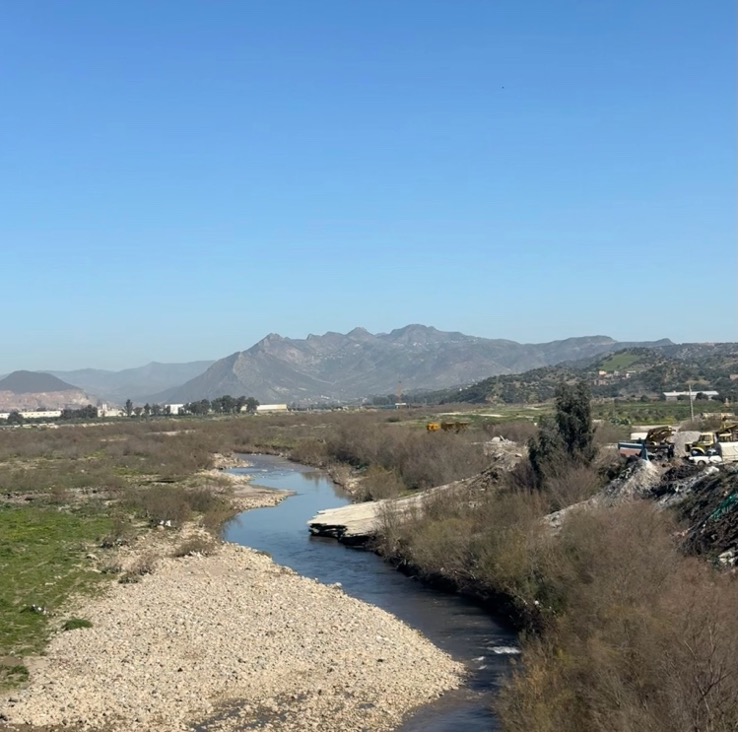
Oued Sahel in February 2026
Arguably the main problem is that the institutional adaptive measures that have taken hold are driven less by environmental logic than by administrative and economic incentives. Subsidy structures and drilling rights that reward mechanization, scale, and intensity have pushed farmers toward mass production models that are poorly suited to an environment that is increasingly water-scarce. The result is a central contradiction: Intensive agricultural practices accelerate the depletion of the very resources on which farming depends, contributing to the climate conditions that worsen agricultural viability. Adaptation and degradation feed each other in a cycle that policy has yet to interrupt.
Efforts made by individual farmers, investors, and state actors to sustain agricultural production are themselves eroding the rural way of life they are meant to preserve. Subsidy-oriented policies, designed to modernize and expand the sector, have had the unintended effect of making farmer registration a desirable administrative status, sought as much for the benefits it unlocks as for any commitment to agricultural activity. Diaspora remittances and foreign investment, while injecting capital into the sector, accelerate the shift toward large-scale entrepreneurial farming and further constrain the viability of smallholder livelihoods. Farmers are increasingly responding to local labor shortages by hiring the most precarious workers, while others respond to deteriorating conditions by expanding geographically. Meanwhile, the shift from rainfall-reliant irrigation to man-made infrastructure has exacerbated water scarcity.
The Algerian government offers registered farmers a range of support such as land concessions, seeds, beehives and bees, equipment, and subsidies covering inputs, production costs, and livestock feed. This makes formal agricultural status, obtained through registration, financially attractive well beyond its agronomic value. It also aligns with Algeria’s broader agricultural self-sufficiency agenda, which is accelerated by public discontent over the rising cost of imported goods. Yet the policy contains its own contradictions: Livestock feed and vaccines remain largely imported, and the seeds distributed are hybrid varieties, which limits farmers’ autonomy and locks them into dependency on external supply chains.
For some, agriculture has become less a livelihood than a legal and administrative gateway to emigration. Farmer status is strategically mobilized to access migration channels toward Europe. Migrants using this route begin by soliciting invitations enabling them to attend agriculture-related events in France, for which they subsequently obtain a short-term visa, which they then overstay. This practice is a new variation on what is locally associated with the phenomenon of harraga, a term used in Algeria to describe irregular migrants who attempt clandestine crossings, often by sea toward Europe. Yet this instrumentalization of agricultural status through legitimately obtained farmers’ licenses reveals a broader pattern in which formal institutions are leveraged for informal ends, highlighting systemic failures that extend well beyond the agricultural sector. Inspections of land and crops undertaken to assess a farmer’s status are strict and relate to the size of one’s crop or the quantity of livestock and beehives—which explains why peasant farmers cannot easily obtain the license.
A related dynamic involves the flow of diaspora capital into the agricultural sector in Kabylie. Business-oriented farmers increasingly benefit from remittances and direct investment from Kabyle communities abroad, which channel money into land, equipment, and agricultural ventures in the region. This influx of external capital, along with the return to Algeria of ambitious entrepreneurs, accelerates the shift toward large-scale farming models and further marginalizes smallholder peasant farmers who lack access to equivalent resources. It also reshapes the social meaning of agricultural investment: Land becomes less a site of subsistence and identity than a vehicle for capital deployment.
Larger agricultural concessions have responded to resulting local labor shortages by turning to migrant and seasonal workers, including elderly men who remain in agricultural employment out of necessity rather than choice. This segmentation of the labor market concentrates the most precarious work among the most vulnerable components of the populations, raising serious questions about the long-term sustainability of labor supply in the sector. Some farmers also respond to deteriorating local conditions not by leaving agriculture but by expanding geographically and acquiring property in areas where land is cheaper, labor more available, and climate conditions more favorable. This form of climate-driven territorial mobility does not register in conventional migration statistics, yet it represents a significant restructuring of how and where Kabyle agricultural capital is deployed. Access to water and electricity remains an administrative and logistical constraint in these new locations, suggesting that expansion relocates rather than resolves the underlying problem.
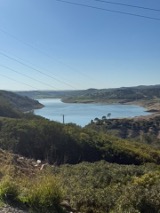
Tilesdit Dam
Indeed, the case of water is instructive. The past decade has seen riverbeds dry out from late spring through late autumn, prompting a shift from traditional gravity-fed irrigation through a network of small earthen trenches directing water across crops—a system called terga in Kabylie —to aspersion irrigation made possible by drilling. This shift is not only a technical change; it marks the abandonment of a collective, low-tech water culture that was adapted to the landscape over generations, and will deepen disparities between those with access to water infrastructure and those without. And, if anything, the regional dam near the Assemadh river, which was built for purposes of water storage, has not only failed to resolve the scarcity it was meant to address, but has worsened the effects of climate change; its basin shape and high summer temperature have resulted in evaporation that has raised humidity levels in the whole valley.
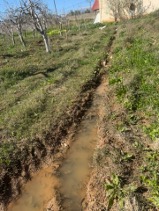
Terga system
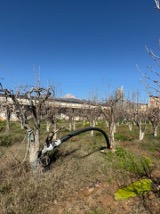
Drilling irrigation infrastructure on a private orchard, illustrating the shift away from rainfall-reliance and terga
When it comes to peasant farmers’ various strategies for coping with climate change, it is striking how little actually changes at the level of agricultural practice itself. Among peasants, the older ones continue dressing for cold winters that are shortened or no longer arrive, and prayers for rain remain a common cultural response to drought. Regardless of ecological shifts, including changes in local insect populations and the quiet disappearance of species such as the ladybug, peasant farmers do not alter what they grow or what they eat. Rather, they find ways to continue age-old practices despite deteriorating conditions. True adaptation would imply a deeper transformation: a change in crop selection based on more systematic weather predictions, and in the relationship between what the land can sustain and what communities consume. Instead, the effort goes into preserving a familiar model under unfamiliar climatic conditions while suburbanizing the lifestyle. This form of resilience, however understandable, accelerates the very degradation it is trying to outrun, an idea that many in the region have already internalized and accepted, but one that will deepen the precarity and vulnerability of the most exposed communities within an already fragile landscape.
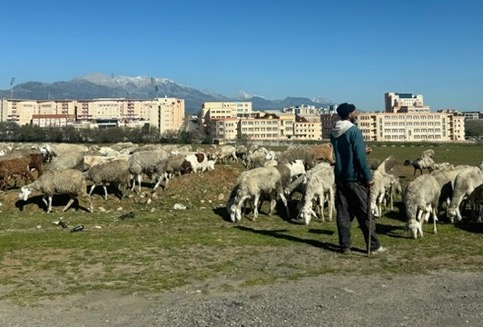
Pastoral practices at the edge of expanding cities
Climate change alone does not drive agricultural transformation in the Oued Sahel-Soummam Valley. The forces of industrialization and the pursuit of economic profitability operate alongside, and often independently of, climate pressure. And several innovations sustain production in the short term while marginalizing the peasant farmers who cannot access them, all while quietly severing the relationship between agriculture and the traditional practices that gave it meaning. As a result of all this, policies that treat adaptation as a purely environmental challenge will miss the economic and institutional drivers that shape farmer behavior at least as much as the climate does.
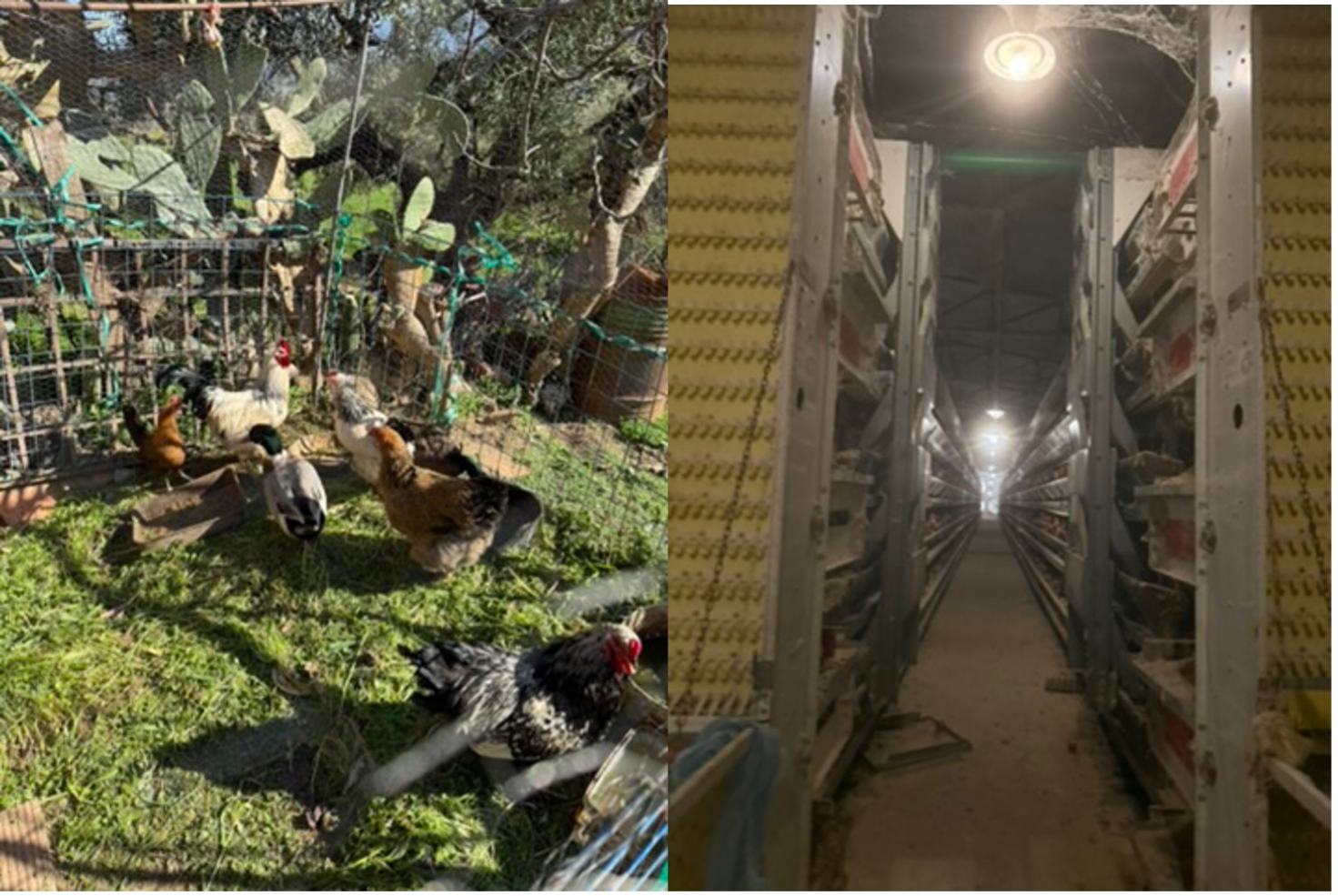
Free-range poultry in a traditional smallholder setting (left) and industrial poultry cages in a large-scale farming facility (right)
The paradoxical dynamics at play in the Oued Sahel-Soummam Valley—adaptation that deepens vulnerability, migration that hollows out communities, institutions that promote unsustainable practices and reward mass production—point to four interconnected areas where more effective policies are needed. The first is local governance, which is structurally operational but inconsistent in enforcement. The second is water governance, where incentives currently favor scale and drilling over sustainability, concentrating the benefits of infrastructure among larger operators while leaving smallholders and communities to manage scarcity with improvised means. The third is land governance, where property rights and concession arrangements remain a source of tension and uncertainty. The fourth is ecological resilience, where fire-affected landscapes are recovering independently of, and even despite, current policy efforts.
When it comes to the agricultural sector in Kabylie, the state is present at the local level—but this presence is uneven. For example, the M’chedallah subdivision in Bouira processes administrative requests more quickly than those in Bejaia, despite the two governorates being barely 15 kilometers apart. Although the subdivisions are mandated to inspect crops, cold storage facilities, and shops on a daily basis, enforcement is inconsistent. Consider, for instance, the situation when it comes to food safety and livestock: Despite formal controls, meat is still left exposed outside butcher shops, and the slaughter of animals in households (instead of registered abattoirs) remains common. Strengthening the enforcement role of the local subdivisions of the Chamber of Agriculture would gradually replace subsistence practices and ultimately improve crop and food safety, health standards, and regulatory compliance—all while enhancing state authority at the local level and better aligning practices with centralized and large-scale agendas.
In the realm of water management, current incentives reward scale and drilling over sustainability. The large-scale model has reduced vulnerability for some farmers, but its costs fall disproportionately on smallholders. Communities with wells and drilling systems have installed shared taps where locals (not only the farmers among them) refill jerrycans with free potable water, helping to ease widespread scarcity and adapt to climate pressures. Water scarcity increases the appeal of subsidized projects, especially as hydraulic management systems require modernization. The answer lies not in making drilling permits more competitive, but in smarter distribution and hydraulic systems that use Algeria’s coastline to bring water to areas with rainfall deficits. More reliable and frequent distribution would also reduce the hoarding and overconsumption inevitably caused by intermittent access.
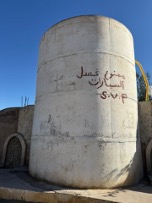
A privately owned water tank with free public access. The inscription reads “no car-washing, please,” a sign of the informal rules owners impose to protect scarce shared resources
As for land management, tension persists between individuals seeking full ownership and discretionary use of land on the one hand, and the state’s model of granting long-term, inheritable concessions tied to approved projects on the other. This model of tying concessions to active cultivation and minimum output targets favors large-scale entrepreneurs, who are best positioned to meet the conditions. Addressing the matter requires action on both sides: simplifying pathways to ownership for subsistence farmers and those who have worked the land for generations, while also shortening concessions and tying their renewal to meaningful land use requirements rather than output alone. Together, such reforms would discourage speculative registration, create space for peasant farmers to embrace entrepreneurial activity, and boost local employment, all while guaranteeing long-term sustainability.
As for ecological resilience, the conditions for a low-cost, community-led approach already exist. In fire-affected landscapes, trees and crops regrow from ash-enriched soil. Fire acts as an accidental fertilizer that accelerates recovery without active intervention, a natural regeneration that favors reforestation and supports community-based land stewardship. This regeneration, if taken advantage of by Algiers, can create opportunities for local communities to assume an active role in managing and protecting land. For example, instead of allocating a generous stipend to unemployed graduates (something that may inadvertently disincentivize them from searching for work), the state could invest in rural youth employment.
In the larger picture, policies must address the instrumental misuse by certain people of their farmer status for emigration—a symptom of shortcomings in youth employment and migration systems rather than in agriculture itself. A starting point would be linking farmer registration to specific engagement requirements. This way, the status of “farmer” would reflect genuine agricultural activity rather than serving as a migration pathway. And, in the long run, it would serve to help reengage younger generations with their ancestral patrimony by encouraging an identity that is bound to the cultivation of the land.
If the dynamics of capital and emigration at play in the Oued Sahel-Soummam Valley are not arrested or at least attenuated, they will continue to reshape the region. Even among locals who have not left for better opportunities elsewhere, a quiet gravitation from rural and remote lifestyles toward suburban economic models is already underway. The traditional Kabyle living arrangement, in which several family members reside in an ancestral house shared across generations, is giving way to the phenomenon of apartment-dwelling. This itself signifies a displacement-of-sorts. Financial survival is becoming increasingly decoupled from agricultural productivity, and households are adopting diversified income strategies that treat farming as one element among many, rather than as a primary occupation. Ultimately, as the environment shifts around the people of the Oued Sahel-Soummam Valley, so too is the meaning of home itself.

Ilyssa Yahmi
Assistant Professor of International Relations and Comparative Politics at the American University of Paris (AUP)
Ilyssa Yahmi is an Assistant Professor of International Relations and Comparative Politics at the American University of Paris (AUP). Her research focuses on non-traditional security issues related to smuggling, borders, conflict, mobility, and identity, particularly in Africa and the Mediterranean Basin.
Carnegie does not take institutional positions on public policy issues; the views represented herein are those of the author(s) and do not necessarily reflect the views of Carnegie, its staff, or its trustees.
The community already suffers social discrimination, so addressing inequalities requires sustained interventions.
Musaed Aklan , Mohammad Al-Saidi
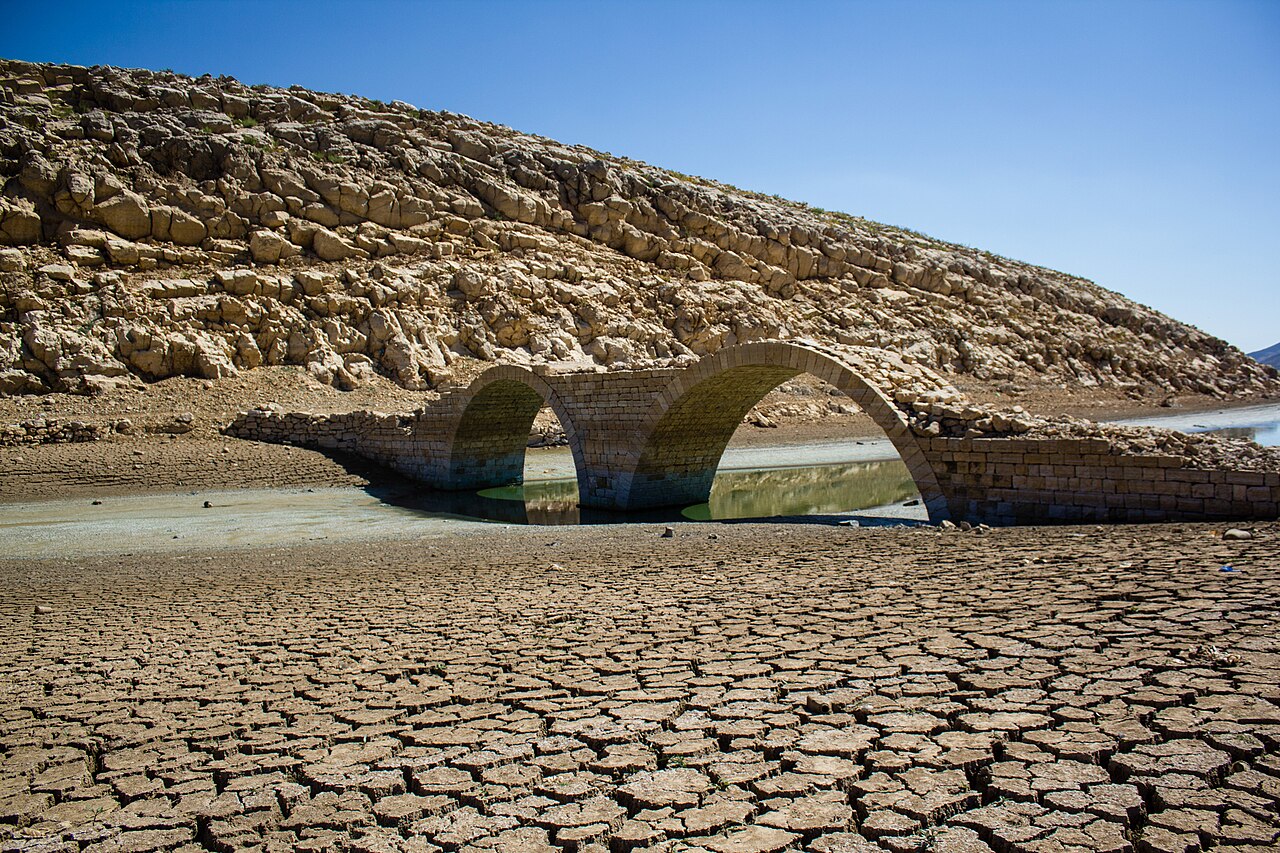
Lebanon’s largest water reservoir is a house of many mansions when it comes to converging failures.
Camille Ammoun
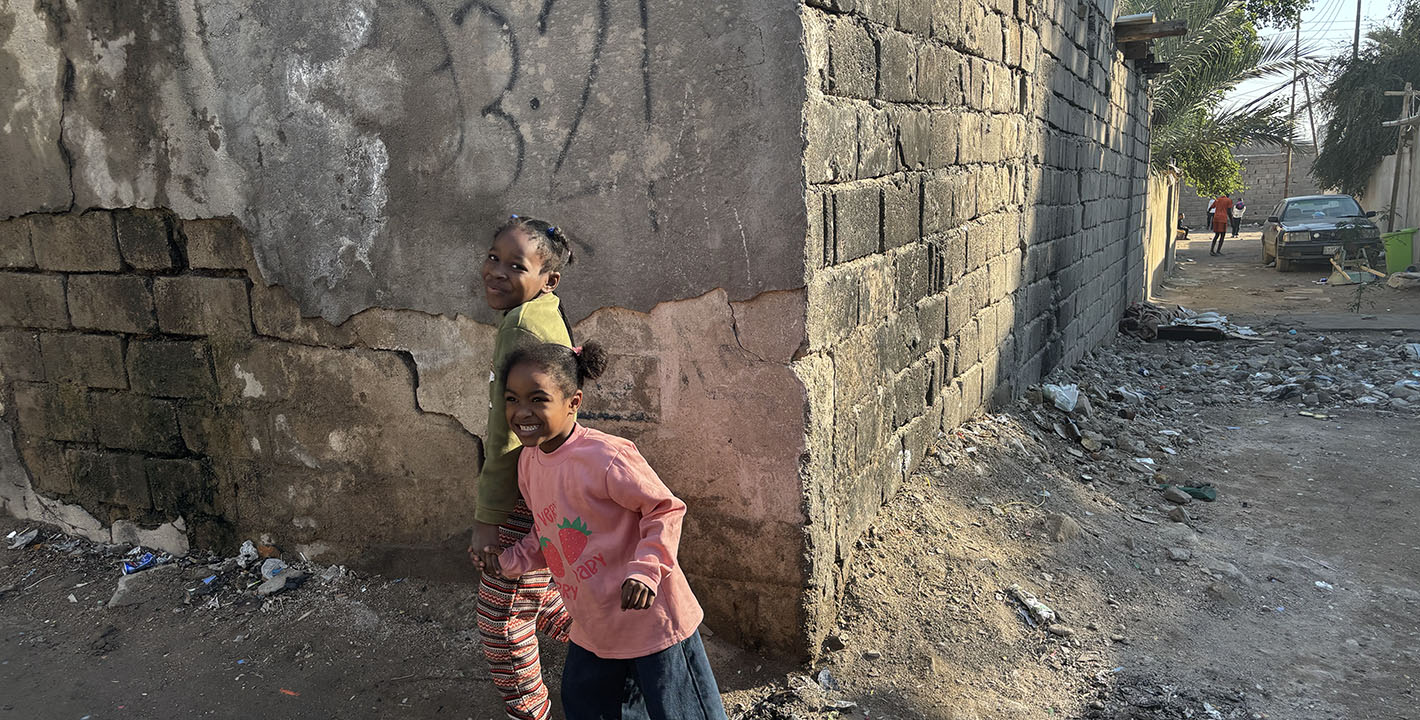
Afro-Iraqis experience political, economic, and social marginalization and discrimination, which exposes the poorest members of the community to the harsh realities of the region’s climate disaster.

Zeinab Shuker
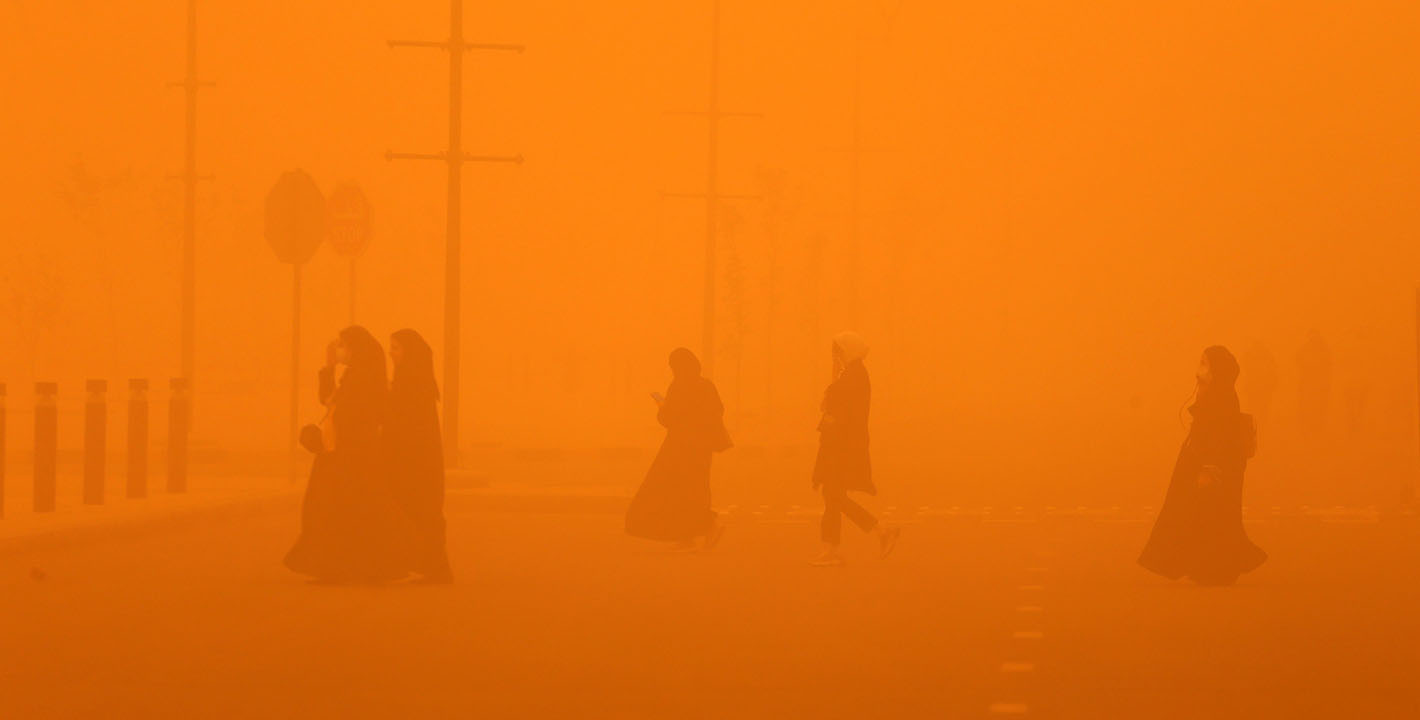
Mitigating the repercussions of climate change in Kuwait is crucial for lessening economic disparities and achieving social justice.

Courtney Freer
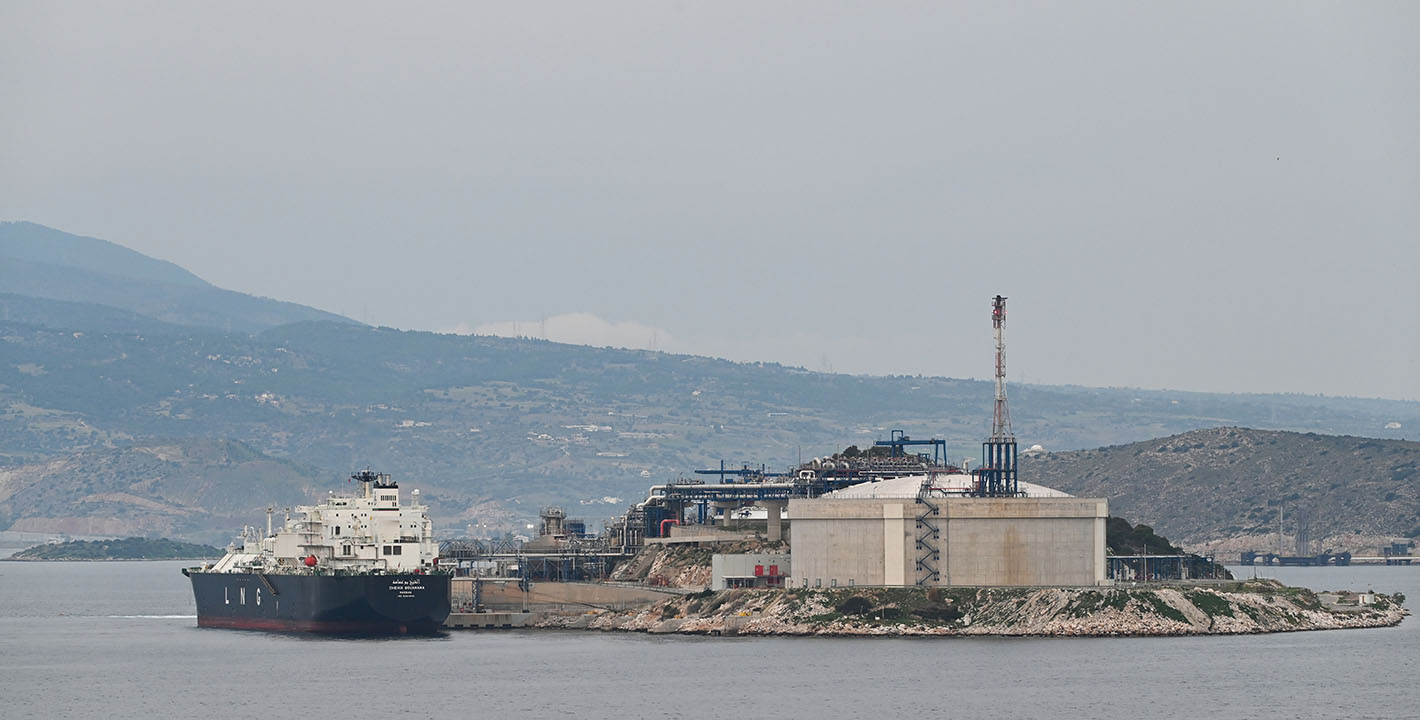
Unless the European Union-led energy transition provides economic development to Algeria, Morocco, and Tunisia, the process may be perceived as a new form of extraction.

Yasmine Zarhloule